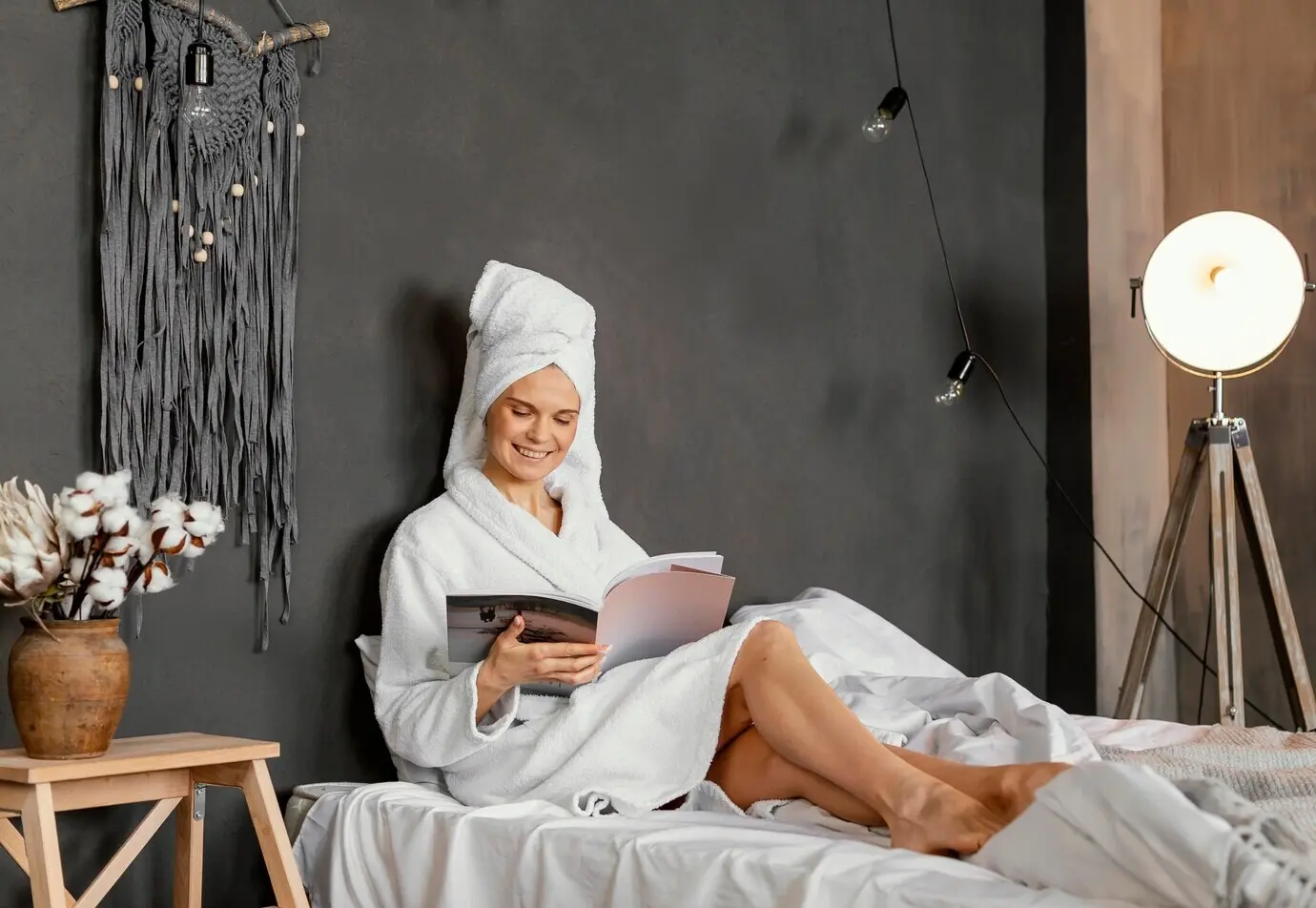
Hotel-Grade Lighting Secrets for Everyday Homes
Hospitality Atmosphere at Home
Storytelling with Light: A Lobby Lesson for Entryways
Welcoming Sensory Cues: Scent, Sparkle, and Sound Synergy
Five-Minute Audit: Evaluate Your Evening Arrival
Layering That Feels Effortless
Ambient Foundations Without Glare
Start with indirect sources that bounce light off ceilings or walls, creating an enveloping glow reminiscent of refined lobbies. Choose shielded fixtures, low-brightness apertures, or cove lighting to avoid hotspots. A higher ceiling can take wide washes, while smaller rooms benefit from gentle wall grazing. The goal is balance, not brightness, allowing materials to breathe and the eye to rest, especially during evenings when pupils are more sensitive.
Task Clarity Where Life Actually Happens
Place light where hands move and eyes focus: reading chairs, countertops, vanities, and desks. Borrow from boutique suites by using focused pools of illumination that avoid casting shadows across work. An adjustable table lamp with a quality shade, under-cabinet strips with high color rendering, and vertical light at mirrors will outperform a single ceiling fixture. Clarity prevents strain, while defined beams feel luxurious because they respect attention and purpose.
Accent Drama with Beam Control
Accent lighting is the whisper that turns ordinary into inviting. Use narrow beams to kiss textured plaster, highlight framed art, or animate foliage with a delicate shimmer. Hotels rarely spotlight everything; they choose one or two focal points per view. Dim accents below ambient so they glow rather than shout. Experiment with beam angles, aiming, and distance to shape contrast that leads the eye gently, avoiding harsh scallops or glare.
Color, Dimming, and Circadian Comfort
Materials, Surfaces, and Shadows
The Power of Matte and Sheen
Matte walls calm reflections, turning glare into gentle glow. Satin trims guide the eye with soft sparkles, while polished accents become punctuation rather than noise. Hotels deploy sheen sparingly to create hierarchy, not spectacle. Try a satin enamel where you want a light brush of reflectivity, leaving ceilings matte to diffuse bounce. When finishes are orchestrated, even modest fixtures perform beautifully, rendering shadows elegant and highlights restrained, like quiet jewelry.
Shades, Diffusers, and Glare Discipline
Boutique rooms rarely expose raw sources at eye level. Choose closed-top shades, opal diffusers, or layered textiles to soften intensity and shape distribution. A well-chosen diffuser can transform a bright point into a soothing plane of light. For floor lamps, use taller shades that hide glare when seated. Desk lamps benefit from directional baffles. This discipline preserves comfort across viewpoints, ensuring sparkle feels deliberate, never fatiguing or visually chaotic.
Grazing Stone, Brushing Wood, Kissing Fabric
Bring surfaces to life with controlled distances and angles. A close wall graze can reveal stone veining or limewash movement, while a longer throw gently brushes wood grain without harsh streaks. Fabrics appreciate soft, wide washes that honor texture. Test placements with a portable light before committing. Hotels prototype these effects meticulously; you can too, using painter’s tape and temporary fixtures to refine magic before drilling holes or buying hardware.
Controls, Switching, and Discreet Tech
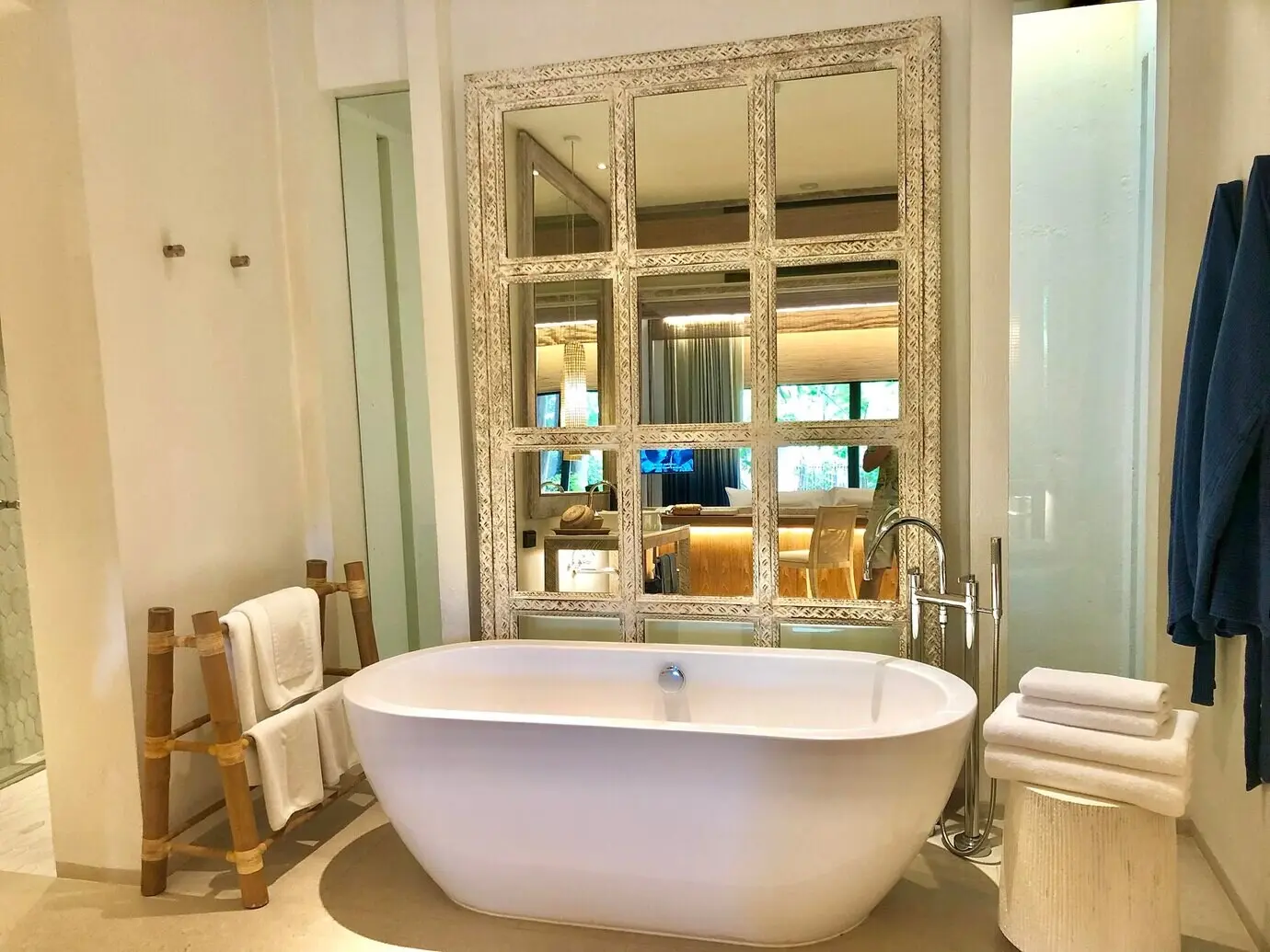
Bedroom Serenity Without Hotel Stiffness
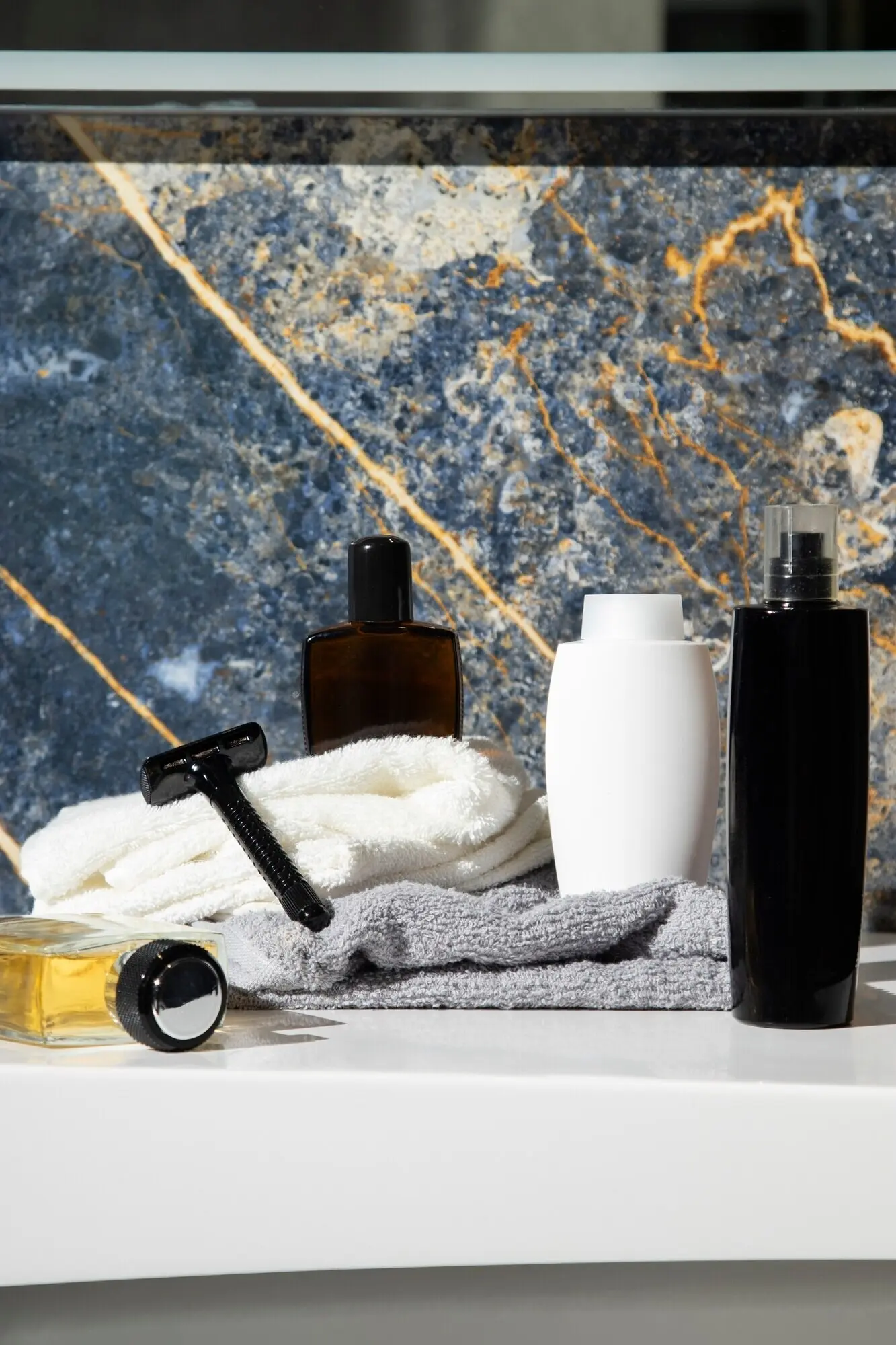
Spa-Like Bathrooms, Real-World Maintenance